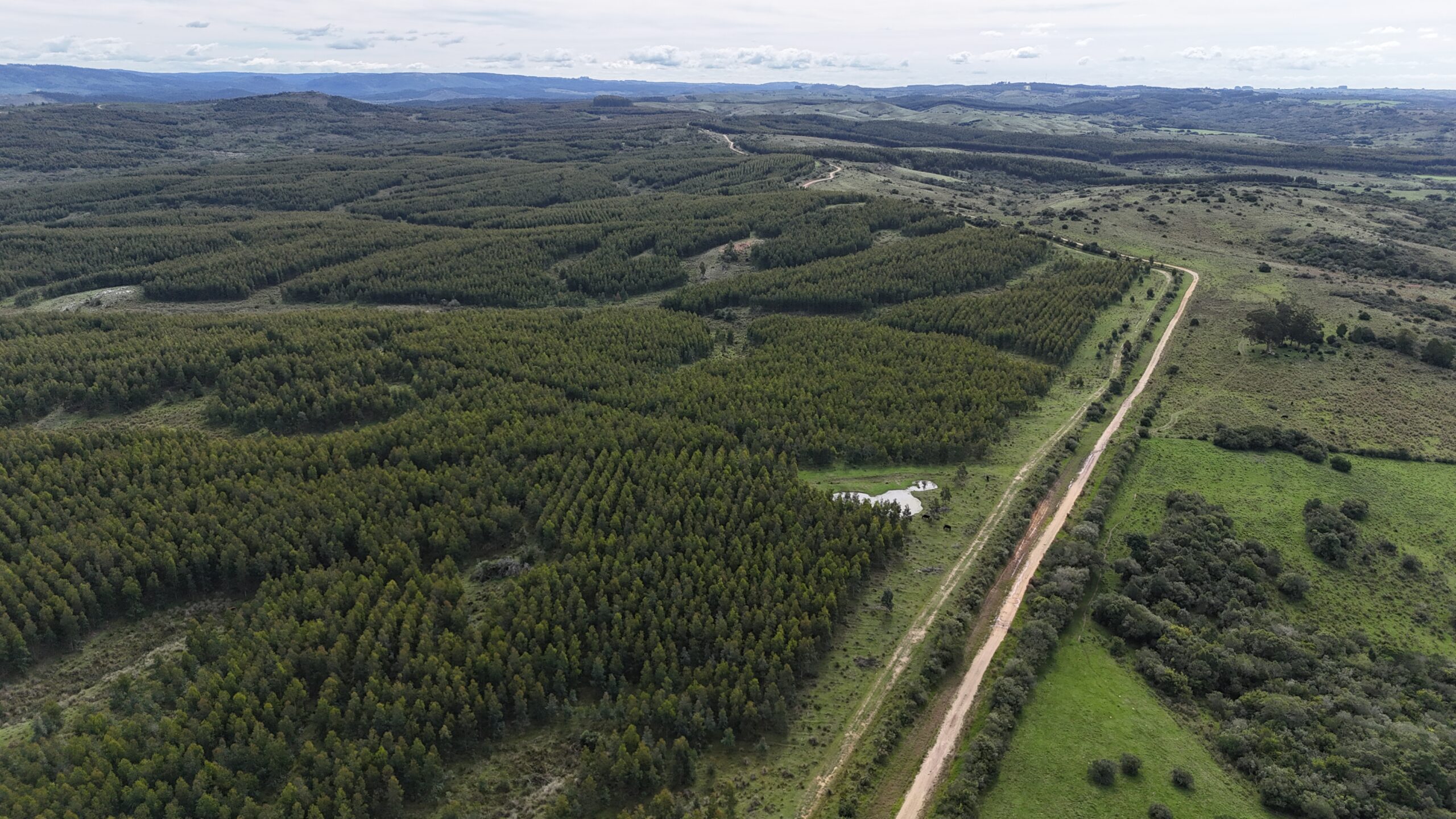
As of mid-2025, Uruguay is fully within the investment-grade category under all major credit rating agencies. Key points:
| Agency | Long-Term Foreign Currency Rating* | Outlook / Stability |
| Fitch Ratings | BBB (one notch above the minimum investment grade) | Stable |
| Standard & Poor’s (S&P) | BBB+ (higher within investment grade) | Stable |
| DBRS-Morningstar | BBB | Stable |
| Moody’s | Baa1 (equivalent to a bit above BBB) | Stable |
- Fitch reaffirmed Uruguay’s “BBB” rating with stable outlook as of September 2025.
- The government has maintained policy continuity even across elections, which rating agencies see positively.
Interpretation: What This Means for Farmland Investors
From comparing these:
- Uruguay looks among the safer “lower risk / moderate return” options. If your priority is capital preservation, stable governance, minimizing downside, then Uruguay scores well.
- Chile is also strong, especially for certain types of farmland (e.g. fruit, specialty agriculture) where water, regulation, IP, certification matter. But the climate risk (drought, water scarcity) is more present, so you may need more mitigation investment (irrigation, water rights, insurance).
- Brazil offers larger scale and potentially higher returns, especially in commodity agriculture, but this comes with substantially higher macro, currency, regulatory and political risk. Success depends heavily on region, crop, scale, logistics, and risk management capability.
- Argentina offers possibly the highest upside (in favorable years) but also the highest risk. Currency/inflation erosion, export retentions/taxes, unpredictable policy, and climate risks make it more volatile. If you go there, you likely need to build in strong buffers, hedge strategies, and be very cautious about policy exposure.
Recent Trends / Considerations
- In Uruguay, the investment-grade rating being affirmed contributes to lower country risk premia, which helps with financing and insuring investments.
- Countries below investment grade face higher borrowing costs, more volatile interest rates, and more sensitivity to global capital flow changes.
- Climate change is increasingly material. For example, Argentina’s agriculture is projected to suffer major yield losses under certain climate change scenarios.
- Policy risk (export restrictions, taxes, regulatory changes) is a big differential. Even with otherwise good climate, good land, etc., policy changes can undercut returns substantially.