In 2026, investors are navigating a landscape shaped by monetary uncertainty and rising geopolitical risk. Persistent fiscal deficits and inflationary pressure on the US dollar, combined with the ongoing volatility of assets such as Bitcoin, are prompting a renewed search for tangible, non-financial stores of value. At the same time, political instability and armed conflicts in regions including Eastern Europe, the Middle East, and parts of Africa continue to disrupt markets and heighten global uncertainty.
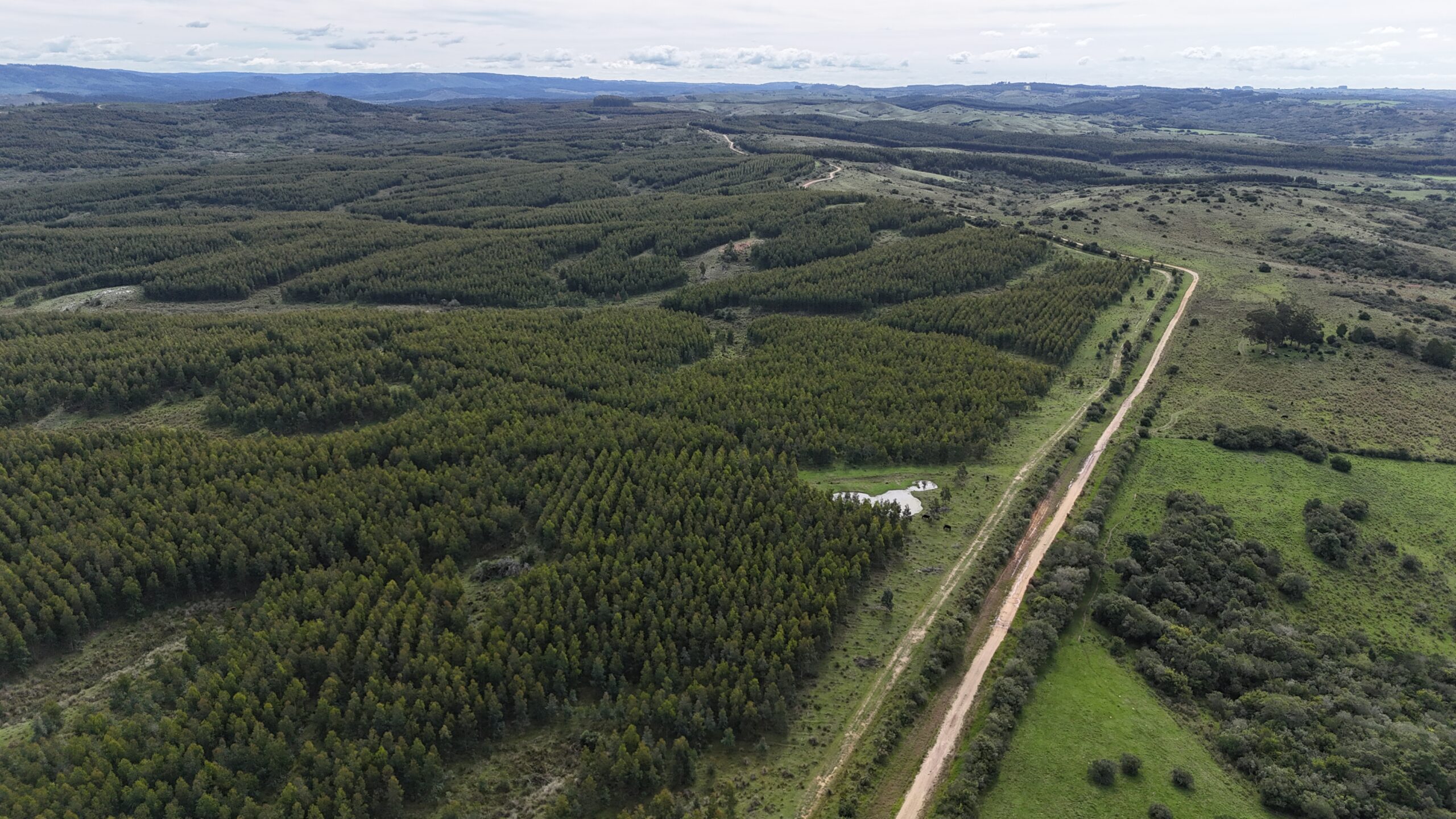
Against this backdrop, farmland in Uruguay stands out not only as a resilient real asset, but also as a strategic Plan B: a long-term investment anchored in food production, capital preservation, and the opportunity to support fiscal residency and geographic diversification in an increasingly unpredictable world.
A key driver for investing in Uruguayan farmland in 2026 is risk perception. Uruguay offers a low-risk, investment-grade environment, largely insulated from monetary crises, banking instability, social tensions, and political volatility. Its geographic distance from major conflict zones, including Ukraine and the Middle East, further enhances its appeal for investors seeking tangible assets beyond the influence of the US, Europe, and regional geopolitical pressures.
Uruguay is widely recognized for its ease of doing business, strong democratic institutions, and secular, transparent governance. A stable social framework, robust rule of law, controlled inflation, and consistent investment-grade status make it an attractive destination for international capital and fiscal residency. For investors with euro-denominated funds, current exchange conditions add a compelling opportunity to acquire land priced in US dollars.
Whether the objective is portfolio diversification, long-term capital preservation, or a closer connection to productive land, farmland in Uruguay offers enduring value within a peaceful, well-regulated environment.

 Fertile soils and favorable climate
 Abundance of water, rainfall and world’s largest reserve of freshwater
 Export oriented agricultural production
 Attractive prices farmland
 Future growth potential by increasing yields and reducing costs
 Grass-fed beef, Never Ever III, regenerative farming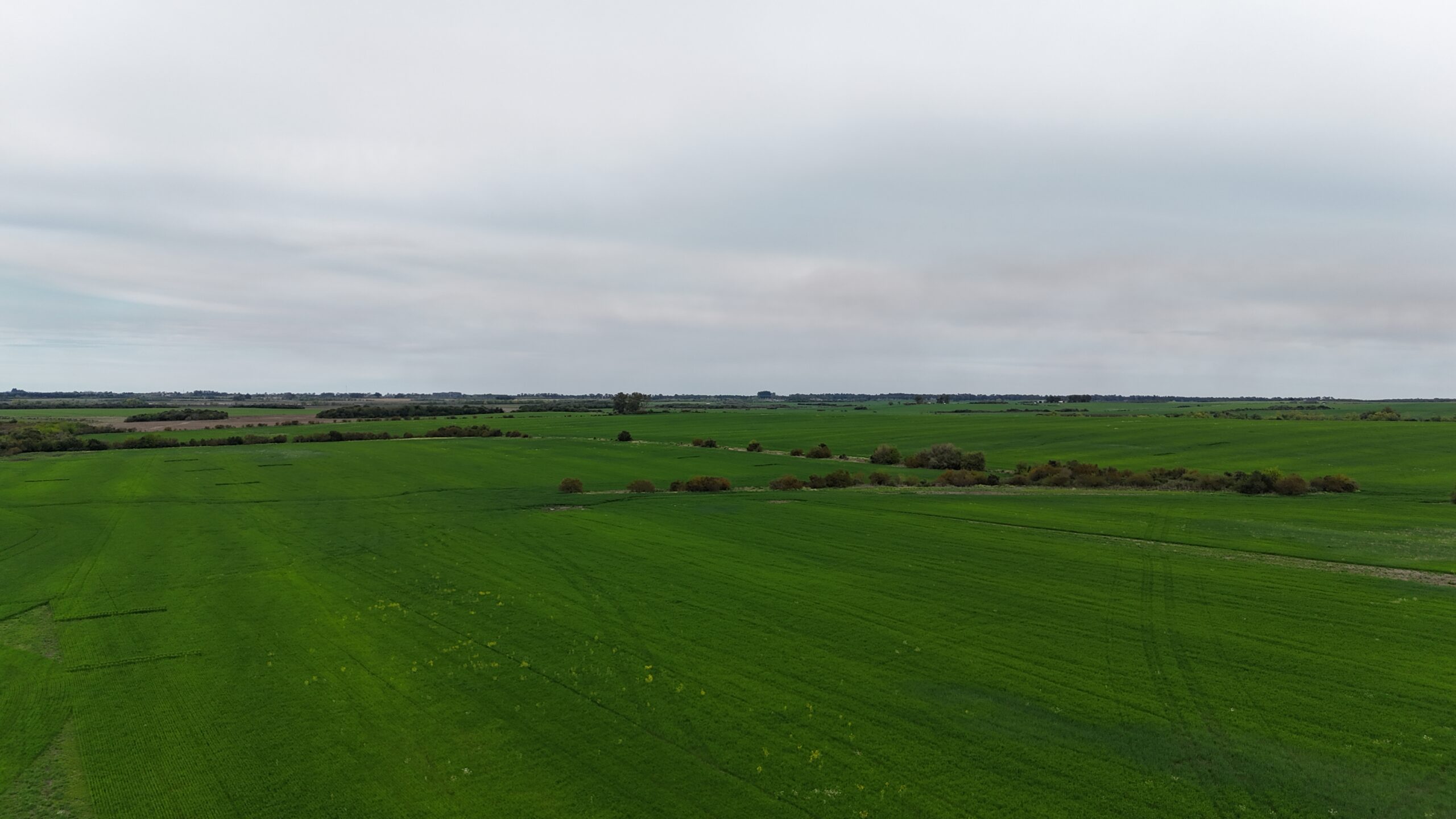
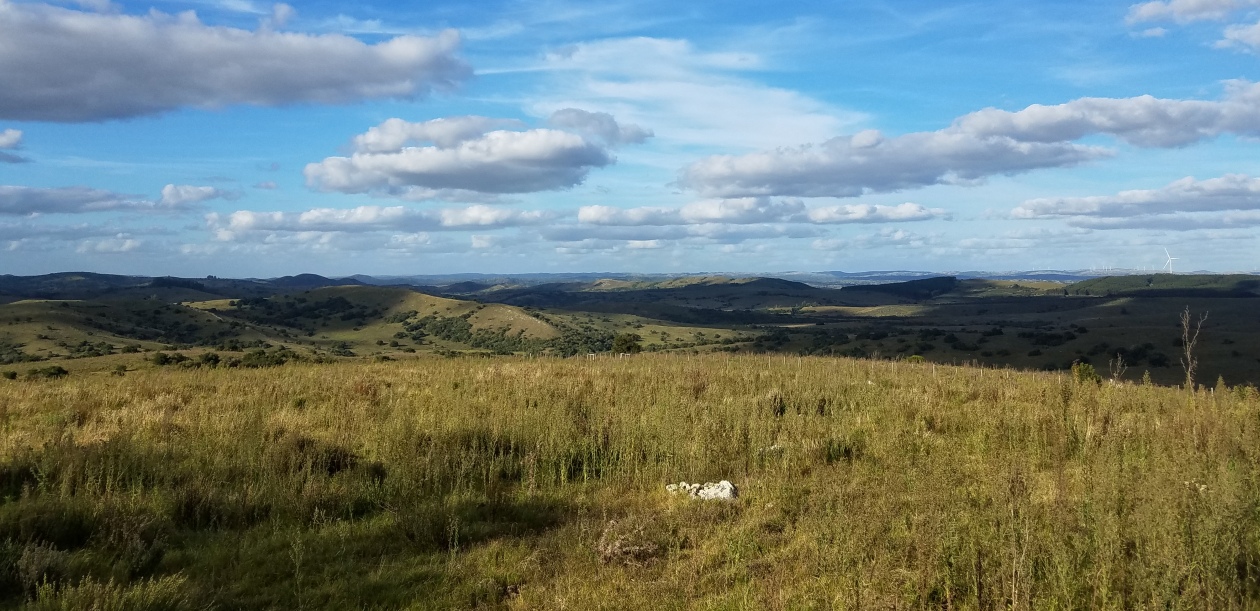

 trusted and experienced advisor
 proven track record